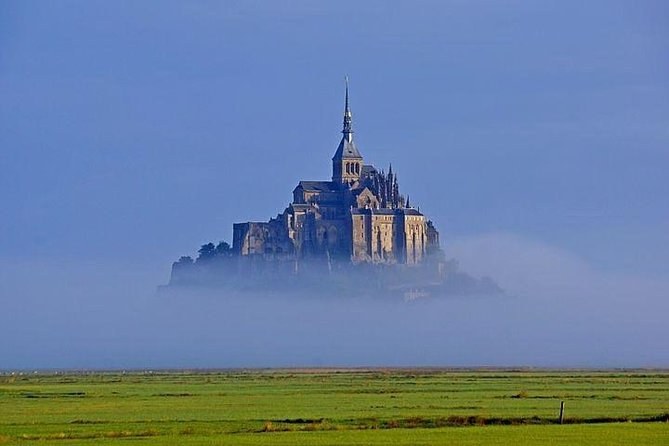
Mont St Michel Full Day Tour with a National Guide from Bayeux
Abbey entry includedMax 8Air-conditioned minibus
From $189 per person
Not the weather, particularly. Normandy is mild, damp and windy in most months and the temperature range across the year is narrower than visitors expect. What changes is daylight, crowds and what is open — and the last of those sits on a calendar you can read in advance.
| What | When it is shut | What that means |
|---|---|---|
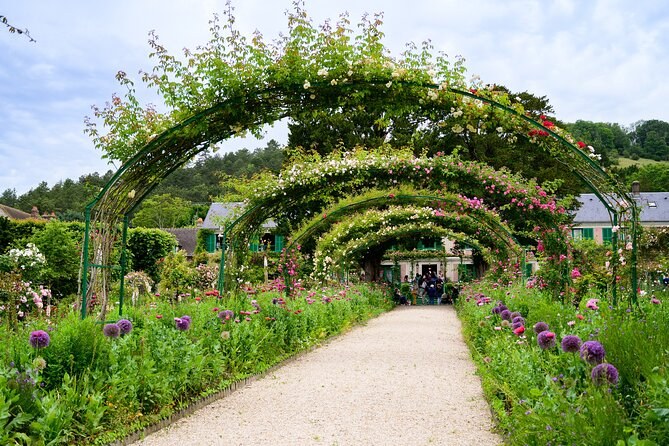
| Monet’s garden at Giverny | 2 November to 31 March | A winter trip cannot include it at all |
| Bayeux Tapestry Museum | Until autumn 2027 | It cannot be seen in 2026 in any month |
| Musée du Débarquement, Arromanches | 5–27 January 2026 | The Mulberry story is a beach walk that month |
| Bayeux museums | 5–18 January 2026 | Both of them, at once |
| Mont-Saint-Michel Abbey | 1 January, 1 May, 25 December | Three single days, and 1 May is a bank holiday |
| Normandy American Cemetery | 25 December, 1 January | Otherwise open every day of the year |
May, if you want everything open and the days long. The abbey moves to its 9:00 to 7:00 summer hours on the first, Giverny is at its fullest, and the coaches have not arrived in force. September is the close second, and it has the warmest sea of the year along with a coast that empties from the second week.
Between the two, September edges it for anyone who dislikes crowds and May edges it for anyone who wants gardens. Neither is a compromise.
The anniversary. Commemorations around the 6th bring ceremonies at the cemeteries, road closures along the coast and accommodation booked out months ahead. Days are the longest of the year at over sixteen hours.
Whether to come is a genuine choice rather than a warning. If the anniversary is the point, book in winter and expect to move slowly. If you want the coast rather than the commemoration, come in a different month — even the second half of June is markedly calmer.
Not on the beaches, which stay surprisingly empty even in August. It is Mont-Saint-Michel and Giverny that fill, and both fill from mid-morning rather than all day. The abbey stays open until seven in July and August, which makes a late-afternoon visit the obvious move, and the Grande Rue is walkable at nine and shoulder to shoulder by eleven.
Mild and windy. The station that covers this coast records an average daily maximum of about 15 °C across the year and an average minimum of about 5, with rain spread across roughly 130 days. The number that matters more is the wind: the landing beaches face open water, and travellers write about being colder than expected far more often in April and May than in December.
The weather page takes it month by month with the closures against each one.
Worth its own paragraph on a coast people photograph. September and October give the best light here by a distance: low, long and clear, with the sun setting into the sea off the western sectors rather than behind a haze. The beaches face north and west, which means late afternoon is the hour that works and midday is the one that does not.
Winter light is better than winter weather deserves. A clear cold December afternoon on Omaha, with the tide out and nobody on it, produces something no summer day does. What you are trading is daylight: a nine-hour tour in December starts and ends in the dark, and you get about eight usable hours between them.
| When you are going | How far ahead to book | Why |
|---|---|---|
| First week of June | Six months or more | The anniversary. Accommodation goes before the tours do |
| May, July, August, September | Two to four weeks | The eight-seat departures fill first |
| April and October | One to two weeks | Comfortable, and the shoulder rates are better |
| November to March | A week | Timetables thin rather than stop — check what is open |
Three things, and between them they carry a Normandy trip in any week of the year. The landing beaches, which have no gate and no season. The Normandy American Cemetery, open every day but Christmas Day and New Year’s Day. And Mont-Saint-Michel Abbey, which closes on three single days a year and otherwise runs from January to December.
That is more than most European destinations can say, and it is why the guided departures here run all year rather than shutting for the winter. What closes is the supporting cast: Giverny for five months, Arromanches for three weeks in January, and Bayeux’s two museums for a fortnight in the same month.
Yes, in both directions. Around the sixth of June the coast carries ceremonies at the cemeteries, veterans’ events and re-enactor camps, and stretches of the D514 close for processions. If you want that atmosphere there is nothing like it anywhere.
If you want the beaches themselves, it is the worst week of the year: road closures turn a nine-hour itinerary into a longer one, the cemetery is busy from opening, and accommodation in Bayeux is gone months ahead at prices to match. The second half of June gives you long days and none of that.
For the coast, genuinely yes. December on Omaha Beach can mean standing there alone, which is an experience the summer cannot offer at any price. The abbey is on its winter price, and the light on a clear cold day is better than anything August produces.
What you lose is Giverny, several museums for a fortnight in January, and daylight — a nine-hour tour in December starts and finishes in the dark at both ends.
Predictably, which is the useful part. Coach parties reach the Normandy American Cemetery from about ten and thin again after four. Mont-Saint-Michel fills from mid-morning and the Grande Rue is at its worst between eleven and three. Giverny fills after midday, and travellers who have been consistently advise the morning.
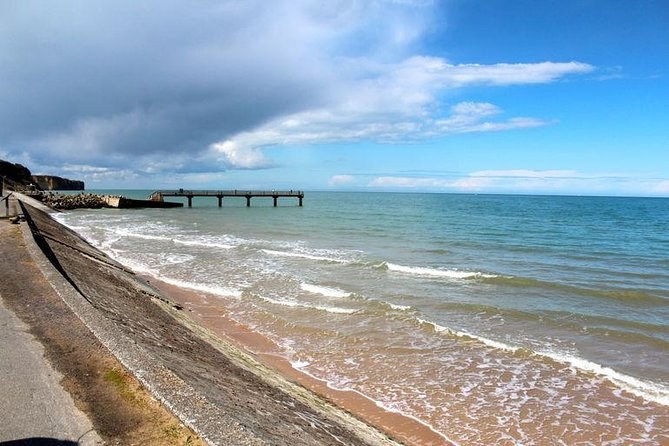
The beaches themselves never really fill, in any month. Omaha is six kilometres of open sand and even in August you can walk away from everybody in ten minutes. That asymmetry — crowded monuments, empty beaches — is worth building a day around, and it is why a guide who reaches the ticketed sites early is worth more than one who simply visits more of them.
Yes, and none of them cancels for rain alone. The Mont-Saint-Michel walking tour states outright that it runs in any weather. Two operators reserve the right to cancel for genuinely severe conditions, in which case you are offered another date or a full refund. Timetables thin between November and March rather than stopping.
Two to four weeks is comfortable from April to September, and the small-group days that cap at eight go first. The first week of June is months ahead. Winter can be booked a week out. Excursions in Normandy show what runs in the month you are looking at, and Normandy Excursions is where to compare the departures on what each one covers.
From $189 per person
From $325 per person
From $109 per person